St. Joseph’s Day Breadcrumb Pasta
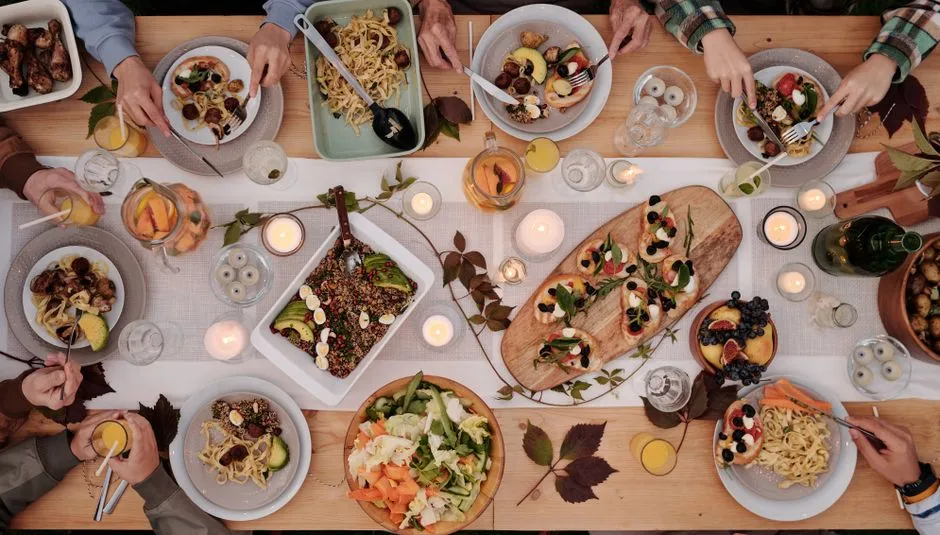
A meatless pasta for a St. Joseph’s Day table
This St. Joseph’s Day breadcrumb pasta serves four with 12 ounces (340 grams) spaghetti, a simple garlic-tomato sauce, and 1 cup crisp breadcrumbs. Toast the crumbs for 6 to 8 minutes, simmer the sauce for 20 minutes, and combine it with al dente pasta and enough reserved cooking water to make the sauce cling.
Breadcrumb pasta appears in Sicilian and Italian-American St. Joseph’s Day cooking, where crumbs are often associated with sawdust and St. Joseph’s work as a carpenter. Traditions and recipes differ by town, parish, and family. This is one tested meatless home version, not a claim that every St. Joseph’s table serves the same dish.
The Solemnity of St. Joseph, Spouse of the Blessed Virgin Mary, is observed on March 19 in the Roman calendar; the USCCB’s March 19 page provides prayer and reflection for the day. Consult the local parish or diocesan calendar for the observance and any applicable fasting or abstinence guidance.
Ingredients for four servings
For the breadcrumbs:
- 1 cup (60 grams) coarse fresh breadcrumbs
- 2 tablespoons olive oil
- 1/4 teaspoon fine salt
- 1 tablespoon chopped flat-leaf parsley, optional
For the pasta:
- 12 ounces (340 grams) spaghetti or bucatini
- 1 tablespoon olive oil
- 4 garlic cloves, thinly sliced
- 1/4 teaspoon red-pepper flakes, optional
- 1 can (28 ounces / 794 grams) crushed tomatoes
- 1/2 teaspoon fine salt, plus salt for the pasta water and more to taste
- 1/4 teaspoon black pepper
- 1 teaspoon red-wine vinegar, plus more to taste
The recipe contains wheat. Check every packaged ingredient for allergy and dietary needs and prevent cross-contact. For a fish-forward family variation, seek a separate tested recipe rather than casually adding anchovies without informing guests.
Toast the crumbs first
Heat a large, dry skillet over medium-low for 1 minute. Add 2 tablespoons olive oil and the breadcrumbs. Cook for 6 to 8 minutes, stirring frequently, until evenly golden and crisp. Lower the heat if dark spots appear faster than the rest can color.
Transfer the crumbs immediately to a plate; they will keep browning in the hot skillet. Stir in 1/4 teaspoon salt and the parsley. Once cool, keep them dry and separate from the sauce. Their whole assignment is crispness, and tomato sauce is an aggressive recruiter.
More savory feast-day recipes live at the Saints’ Table.
Simmer the garlic-tomato sauce
Return the skillet to medium-low and add 1 tablespoon olive oil. Add the sliced garlic and optional red-pepper flakes. Cook for 45 to 60 seconds, stirring, until the garlic smells fragrant but has not browned. Burned garlic will make the sauce bitter; start again if it turns dark.
Add the crushed tomatoes carefully because they may splatter. Stir in 1/2 teaspoon salt and black pepper. Bring to a gentle simmer, then reduce the heat and cook partially covered for 20 minutes. Stir every few minutes and scrape the bottom. The sauce should thicken slightly but remain loose enough to coat pasta.
Stir in 1 teaspoon vinegar. Taste from a cooled spoon and adjust salt, pepper, or vinegar in small amounts.
Cook and combine the pasta
While the sauce simmers, bring a large pot of water to a boil. Salt it according to dietary needs and cook the pasta according to the package timing until al dente. Before draining, reserve 1 cup of pasta water.
Add the drained pasta to the sauce over low heat. Toss for 1 to 2 minutes, adding reserved water 2 tablespoons at a time until the sauce looks glossy and coats the strands. Start with 1/4 cup; different pasta and sauce reductions need different amounts. Remove from heat.
Divide among four warm bowls. Add about half the toasted breadcrumbs at the table and pass the rest so diners can preserve their preferred level of crunch. Serve promptly.
The Epiphany orange-almond cake offers another recipe whose feast-day connection is stated without treating one household bake as universal tradition.
Make it ahead without losing the contrast
The tomato sauce can be cooled promptly and refrigerated in a covered shallow container for 3 to 4 days. Store completely cooled breadcrumbs separately in an airtight container at room temperature for up to 2 days if the room is cool and dry. Discard crumbs that become damp or show spoilage.
Reheat refrigerated sauce to 165°F (74°C), stirring and checking more than one spot. Cook fresh pasta when possible. Refrigerate leftover combined pasta within 2 hours, or within 1 hour above 90°F (32°C), use within 3 to 4 days, and reheat to 165°F.
At the table, name the recipe honestly: a Sicilian-inspired, meatless St. Joseph’s Day pasta from this kitchen. Hospitality grows when food carries its context as carefully as it carries the bowl.