Epiphany Orange-Almond Cake
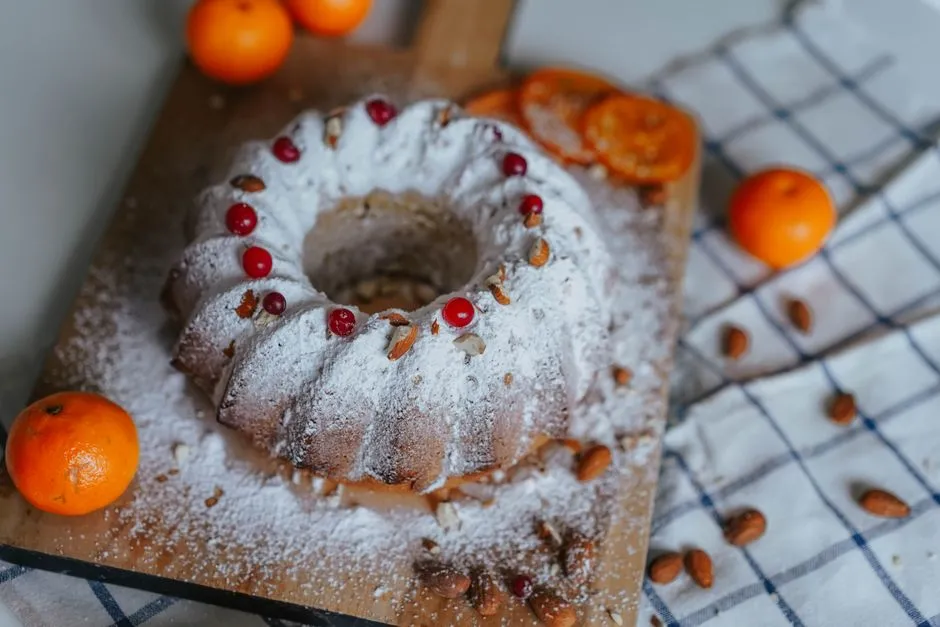
A bright home cake for an Epiphany gathering
This Epiphany orange-almond cake uses a 9-inch (23-centimeter) round pan and makes 10 slices. Whisk three eggs with sugar, olive oil, yogurt, orange zest and juice, then fold in almond flour, all-purpose flour, baking powder, and salt. Bake at 350°F (177°C) for 35 to 42 minutes, until the center springs back and a tester has only a few moist crumbs.
Epiphany is celebrated on January 6 in the Roman calendar, though local calendars may transfer its observance. The Vatican’s Epiphany reflection centers the manifestation of Jesus and the journey of the Magi. Cake customs vary widely across countries and communities. This orange-almond cake is a household celebration recipe, not a universal Catholic or regional king-cake tradition.
Ingredients for one 9-inch cake
- 1 cup (125 grams) all-purpose flour
- 1 1/2 cups (150 grams) fine almond flour
- 2 teaspoons (8 grams) baking powder
- 1/2 teaspoon fine salt
- 3 large eggs, at room temperature
- 3/4 cup (150 grams) granulated sugar
- 1/2 cup (120 milliliters) mild olive oil
- 1/2 cup (120 grams) plain whole-milk yogurt
- finely grated zest of 2 medium oranges
- 1/4 cup (60 milliliters) fresh orange juice
- 1 teaspoon vanilla extract
- 1 tablespoon powdered sugar for serving, optional
This cake contains almonds, wheat, eggs, and milk. Check all packaged ingredients and prevent cross-contact for guests with allergies. It is not gluten-free because almond flour appears in the title; the all-purpose flour has not become invisible through seasonal goodwill.
Prepare the pan and oven
Heat the oven to 350°F (177°C) with a rack in the center. Lightly oil a 9-inch round metal cake pan. Line the bottom with a parchment circle and oil the parchment. Do not use a loose-bottom pan unless it is designed to hold this batter without leaking.
Measure ingredients before mixing. Spoon all-purpose flour into the measuring cup and level it rather than packing it; weight is more repeatable. Use fine almond flour, not coarse almond meal, for the intended crumb.
More carefully measured celebration recipes live in Seasonal Bakes.
Mix the batter without overworking it
In a medium bowl, whisk the all-purpose flour, almond flour, baking powder, and salt until no compressed almond lumps remain.
In a large bowl, whisk the eggs and sugar for about 60 seconds, until slightly thickened and evenly combined. Whisk in the olive oil gradually, followed by yogurt, orange zest, orange juice, and vanilla. The mixture should look smooth and emulsified.
Add the dry ingredients and fold with a flexible spatula just until no dry pockets remain. Scrape the bottom and sides once. Do not continue beating after the batter is uniform; excess mixing can make the wheat flour build more structure than this tender cake needs.
Do not eat raw batter. It contains uncooked flour and eggs.
Bake and cool completely
Pour the batter into the prepared pan and level the top. Bake for 35 minutes before checking. The cake is ready when it is golden, the center springs back lightly, and a wooden tester inserted near the center comes out clean or with a few moist crumbs—not wet batter. If needed, bake 3 to 7 minutes longer and check again.
Set the pan on a rack for 15 minutes. Run a thin blunt knife around the edge, invert the cake onto a plate, remove parchment, and turn it right-side up on the rack. Cool completely, about 1 hour, before dusting with the optional powdered sugar.
Do not add a hidden bean, figurine, almond, coin, or other object. Such traditions belong to particular cakes and communities, and concealed hard objects can create choking or dental hazards. Meaning does not need to arrive disguised as an emergency dentist appointment.
Serve the table, not a performance
Cut 10 slices with a clean serrated knife. The cake is moist enough to serve plain. Orange segments can accompany it when prepared safely, or yogurt can be offered separately for guests who want it.
The St. Joseph’s Day breadcrumb pasta follows the same approach: respect the observance, name the recipe’s scope, and test the kitchen method.
Before serving, check your local parish calendar and let the gathering’s prayer, reading, or hospitality lead. A decorative star made with a food-safe stencil and powdered sugar can refer to the Magi’s journey, but it is optional. The cake remains round even when symbolism is not applied with a sieve.
Store it safely
Keep the cooled cake covered at room temperature for up to 1 day when the room is cool. For longer storage, refrigerate it promptly and use within 3 to 4 days. Individual slices can be wrapped and frozen for longer storage.
Discard cake with mold, an off odor, or other spoilage. Bring refrigerated slices toward room temperature shortly before serving for the best texture, but return leftovers to refrigeration within 2 hours, or within 1 hour above 90°F (32°C).
The recipe offers a dependable cake and a clearly bounded tradition. Families can add their own lawful, safe, and faithfully understood customs around it—the most important ingredient is not hiding in the crumb.